Act two · Knowledge
New Haven and the city of knowledge
New Haven is Connecticut's intellectual capital. Yale, founded in 1701, shaped the city's grid, museums, and daily life, and the historic Green at its center anchors a downtown where academic life meets a deep immigrant food culture — most famously its coal-fired apizza.
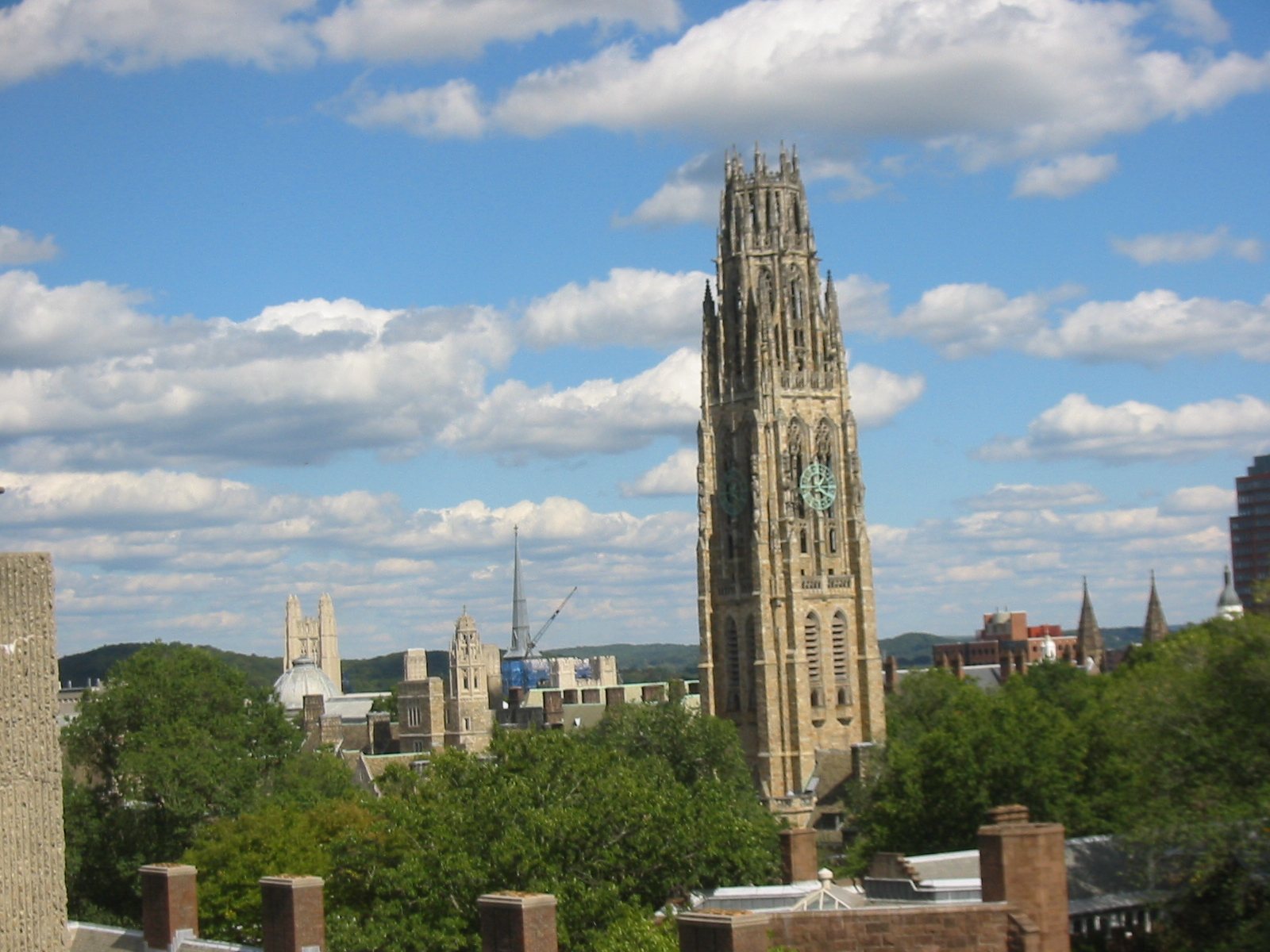
The college that made the city
The institution that became Yale was founded in 1701 and settled in New Haven in 1716, taking the name Yale College in 1718 in honor of the benefactor Elihu Yale. Over three centuries it made New Haven one of the country's leading centers of learning and gave the city its architecture, libraries, and rhythm.
Yale is not a campus set apart from the city; its courtyards, towers, and museums are woven into the downtown grid, which makes New Haven unusually walkable for a university town.
The Green and the nine squares
The sixteen-acre New Haven Green is the historic heart of the city and the central square of the original nine-square colonial plan laid out in the 1630s. Three landmark churches stand on it, and the surrounding district is a National Historic Landmark.
It remains the city's civic stage — the free, central orientation point for a first walk before the museums and the campus.
The museums
The Yale University Art Gallery on Chapel Street is the oldest university art museum in the Western Hemisphere, with a collection spanning the ancient world to the present, and admission is free. Nearby, the Yale Peabody Museum is one of the country's great natural-history collections.
Between them they make New Haven a strong rainy-day and culture base, with two of the best free or low-cost museums in the region.
Wooster Street and apizza
New Haven's other identity is its table. The city is famous for apizza — thin, charred, coal-fired pizza brought by Italian immigrants — and its Wooster Street district has been the heart of that tradition since the 1920s.
It is the clearest sign that New Haven is not only a college town: it is an old industrial and immigrant city whose food culture is as defining as its university.
Sources
Reviewed source trail
- Yale University — History — checked 2026-06-19
- Yale University Art Gallery — visit — checked 2026-06-19
- The New Haven Green — checked 2026-06-19
- Visit Connecticut — New Haven-style apizza — checked 2026-06-19