Rail vs car decision

Connecticut Without a Car or With One

Use rail-first planning for New Haven/Yale, parts of the shoreline, and some Fairfield County trips; use a car-first plan for Litchfield Hills, Northwest Corner, many river-valley combinations, and most casino/coast routing.

11 supporting entries checked 2026-05-29
Connecticut shoreline at sunset near Stamford with waves on a dark sandy beach
Connecticut coast near StamfordRegional context image for Connecticut coast, shoreline, and rail-to-coast planning.Photo by David Kanigan on Pexels - Pexels License

Positioning

Use this guide when

Best for
  • Visitors deciding between New Haven/Yale, shoreline, Mystic, Fairfield County, Litchfield Hills, and southeast casino/coast.
  • Rail-curious travelers who need a realistic no-car boundary before choosing the itinerary.
  • Families comparing one fixed rail-accessible anchor with a broader car-first state weekend.
Tradeoffs
  • Rail simplifies New Haven and some shoreline movement, but can create last-mile problems for beaches, parks, hill towns, and resort nights.
  • A car opens Litchfield, Kent, river towns, casinos, and beaches, but adds parking, weather, traffic, and designated-driver decisions.

This guide should protect readers from assuming Connecticut is either fully car-free or entirely car-required. The correct answer depends on the chosen lane and the fixed confirmed anchor.

Comparisons

Choose the lane by constraint

Rail-first vs car-first Connecticut Use rail-first only when the anchors fit the corridor; use car-first for hill towns, state parks, casino/coast, and multi-region routing.
  • Rail-first: New Haven/Yale, parts of the shoreline, Fairfield County, or a single rail-accessible anchor controls the trip.
  • Car-first: Litchfield Hills, Kent, Northwest Corner, state parks, casino/coast, or multiple regions are in the plan.
  • Tie breaker: If the day has a state park, hill town, late-night resort, or multiple towns, default to car-first unless a current transit plan is verified.
New Haven/Yale vs Mystic by rail New Haven is the cleaner rail-first anchor; Mystic needs a tighter schedule and last-mile check.
  • New Haven/Yale: The trip centers on Yale, downtown New Haven, museums, pizza, or a simple station-to-downtown day.
  • Mystic: The visitor accepts schedule checks and short last-mile movement for aquarium, seaport, village, or coast time.
  • Tie breaker: Choose New Haven when the visitor wants the least rail friction; choose Mystic only after current schedule and return timing are confirmed.

Quick plan

Start from the fixed anchor, then decide rail or car.

Step 1 Pick the fixed anchor Yale/New Haven, Mystic, Fairfield, Litchfield/Kent, Hammonasset, or a casino resort will decide the transportation mode.
Step 2 Check rail before promising no-car Verify current schedules, stops, transfers, alerts, fares, and return timing before calling a route rail-friendly.
Step 3 Accept car-first when needed Use a car-first plan for Litchfield Hills, Kent, state parks, casino nights, and multi-region days.

Trip plans

Strong starting points

No-car attempt Keep the trip near rail and walkable anchors New Haven/Yale, parts of the shoreline, and Fairfield County work best when rail plus walking or short rideshares can carry the day.
  • Start with current rail schedules and station stops before choosing the attraction list.
  • Use Yale/New Haven or a single shoreline/Fairfield anchor when avoiding a car.
Car-first weekend Use a car when the region needs last-mile control Litchfield Hills, Kent, many river-town combinations, Hammonasset, and casino/coast routing need more last-mile flexibility than a simple rail day.
  • Treat state parks, hill towns, resort nights, and multi-region days as car-first until a current shuttle or tour source proves otherwise.
  • Plan parking, weather, late-night return, and designated-driver questions before adding more stops.

Decision toolkit

Use cases and default picks

Rain plan Rain makes rail-first plans more attractive when the anchors are indoor and walkable, but it makes state-park and multi-region car plans more source-dependent.
  • Use New Haven/Yale or Mystic indoor attractions when the weather makes parks and beaches weak.
  • Check rail alerts and park closures before presenting weather-proof alternatives.

Editorial read

Where no-car Connecticut starts to break

Rail works best when the trip is one corridor and one fixed anchor. It breaks when the visitor adds hill towns, state parks, late-night resorts, or too many towns.

Calibration Keep transit advice current and conservative.
Coverage gaps
  • Current rail and last-mile checks: Add current CTrail, Metro-North, Amtrak, rideshare, shuttle, parking, and station checks before launch exposure.

Editorial read

Let the region choose the mode

The transportation answer changes by lane. Yale/New Haven and some shoreline or Fairfield County trips can be rail-first, but hill towns, state parks, resorts, and multi-region days need car-first planning.

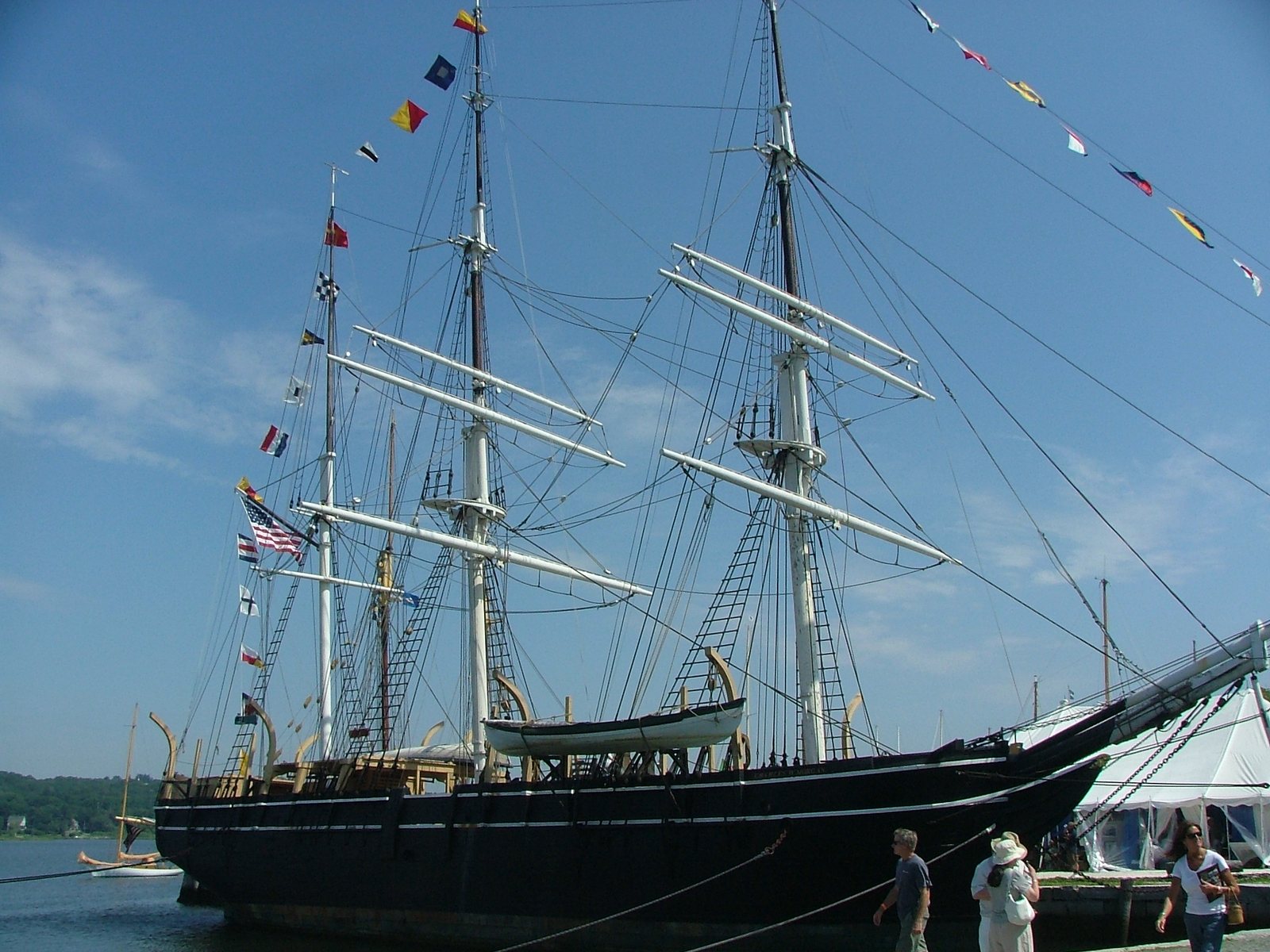
Harkness Tower and Yale campus buildings in New Haven, Connecticut Rail logistics CTrail Shore Line East Official rail-planning source for New Haven, shoreline, Old Saybrook, New London, and no-car Connecticut trip decisions that need conservative schedule and station checks. Harkness Tower and Yale campus buildings in New Haven, Connecticut Campus visitor center Yale University Visitors Center New Haven and Yale visitor anchor for Connecticut statewide planning, useful when campus time, train arrival, museums, downtown stays, or shoreline add-ons shape the trip. Philip Johnson's Glass House and lawn in New Canaan, Connecticut Coastal visitor town Fairfield CTvisit-backed Fairfield County Coast anchor for New York-adjacent Connecticut planning, useful for beaches, dining, shopping, arts, and Metro-North weekend context. The Charles W. Morgan tall ship docked at Mystic Seaport in Mystic, Connecticut Visitor Region Town of Mystic Official Connecticut visitor source for the Mystic lane, used to frame seaport, aquarium, lodging, dining, shopping, and Rhode Island-border trip planning before specific local records expand. White church with a steeple in Litchfield, Connecticut Regional visitor source Discover Litchfield Hills Connecticut visitor source for the inland hill-town lane, used to frame Litchfield Hills as a car-first region before individual inns, farms, hikes, and dining records are added. Mystic River drawbridge raised over the water with a red sailboat in Mystic, Connecticut Casino resort Foxwoods Resort Casino Southeast Connecticut casino-resort anchor for entertainment, overnight, and coast add-on planning when the trip needs a late-night or resort base near Mystic/Stonington. Mystic River drawbridge raised over the water with a red sailboat in Mystic, Connecticut Casino resort Mohegan Sun Southeast Connecticut casino-resort anchor for entertainment, arena, dining, hotel, and coast-combination planning when the visitor needs a resort base rather than a quiet shoreline stay.
Calibration This section keeps rail advice from overpromising.

Supporting places

What each anchor does in the guide

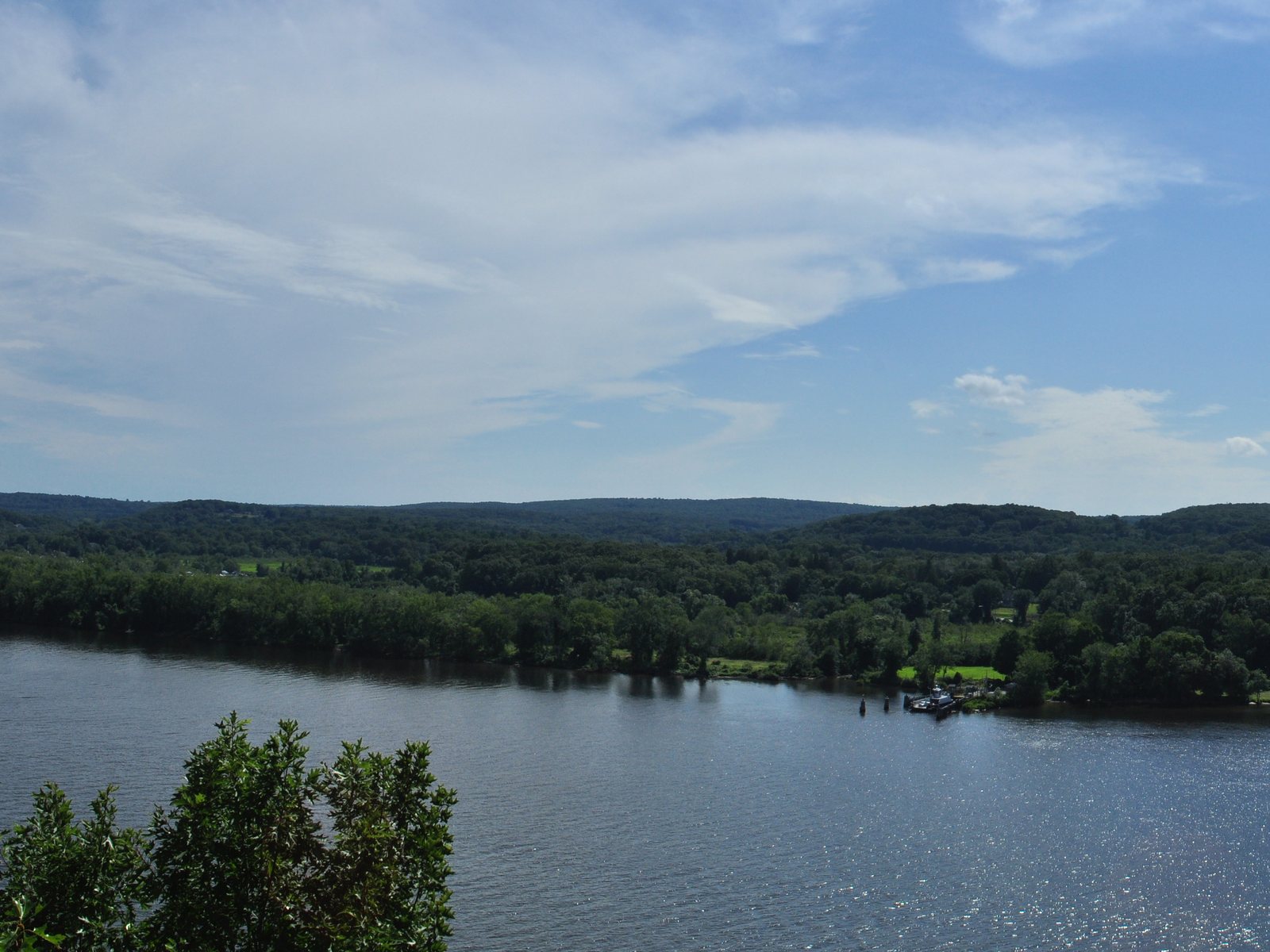
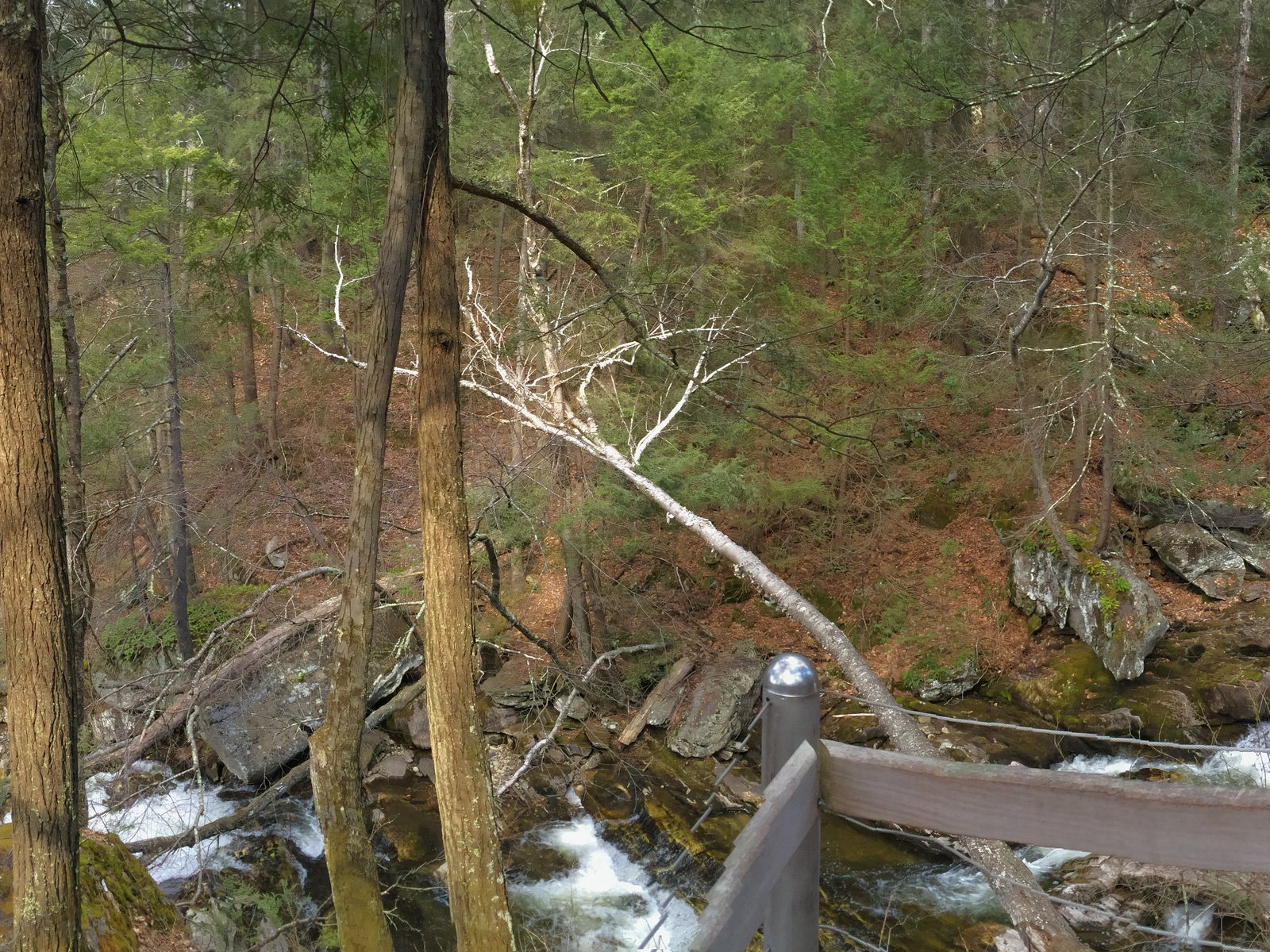
Harkness Tower and Yale campus buildings in New Haven, Connecticut Rail planning source CTrail Shore Line East New Haven, shoreline, Old Saybrook, New London, and no-car boundary checks. It keeps rail advice source-timestamped instead of assumed. Philip Johnson's Glass House and lawn in New Canaan, Connecticut Fairfield County coast signal Fairfield New York-adjacent visitors comparing coastal Connecticut with New Haven or Mystic. It supports the lower-coast lane without adding unverified lodging or dining depth. The Charles W. Morgan tall ship docked at Mystic Seaport in Mystic, Connecticut Rail-plus-last-mile candidate Town of Mystic Visitors considering Mystic as a focused coast trip after current rail and last-mile checks. It helps show where no-car Connecticut can become more fragile than New Haven. Harkness Tower and Yale campus buildings in New Haven, Connecticut New Haven rail-friendly anchor Yale University Visitors Center Visitors using New Haven/Yale as the fixed anchor before adding shoreline or downtown time. It supports a real Connecticut visitor day without launching a separate city guide. Wooded trail and waterfall at Kent Falls State Park in Kent, Connecticut Car-first park signal Kent Falls State Park Visitors deciding whether Northwest Corner and state-park plans need a car. It makes the last-mile limitation concrete and practical. Rocky shoreline and water at Hammonasset Beach State Park in Madison, Connecticut Shoreline park signal Hammonasset Beach State Park Visitors deciding whether beach or campground plans require a car-first route. It keeps shoreline advice tied to current DEEP park rules. Mystic River drawbridge raised over the water with a red sailboat in Mystic, Connecticut Resort-night car-first signal Foxwoods Resort Casino Visitors whose trip includes late-night southeast Connecticut entertainment. It shows why casino/coast routing is not the same as a simple rail day. Mystic River drawbridge raised over the water with a red sailboat in Mystic, Connecticut Southeast resort anchor Mohegan Sun Visitors whose event, arena, hotel, or dining plan controls transportation. It keeps resort logistics separate from rail-friendly New Haven planning. The Charles W. Morgan tall ship docked at Mystic Seaport in Mystic, Connecticut Mystic weather-flexible anchor Mystic Aquarium Rail-plus-last-mile Mystic plans that need a fixed attraction. It gives Mystic a practical reason to test a no-car plan. Connecticut River and wooded hills viewed from the grounds of Gillette Castle River Valley rain backup Connecticut River Museum Visitors comparing river towns with car-first inland routes. It shows where a regional museum can work better than exposed park stops in poor weather. White church with a steeple in Litchfield, Connecticut Car-first inland signal Discover Litchfield Hills Readers who need to understand why hill-town weekends are not simple rail trips. It keeps the car-first warning grounded in the inland regional lane.

FAQ

Common decisions

Question Can I visit Connecticut without a car? Yes, but only for the right lane. New Haven/Yale, parts of the shoreline, and some Fairfield County trips are better candidates. Litchfield Hills, Kent, state parks, casino nights, and multi-region routes usually need a car-first plan.
Question Should I rent a car for Mystic or Litchfield Hills? Mystic can sometimes work as a focused rail-plus-short-hop trip if current schedules and last-mile movement line up. Litchfield Hills and Northwest Corner should be treated as car-first unless current transport or tour sources prove otherwise.

Related guides

Read next

Sources

Checked references

Continue planning

Switch guides only when Connecticut is no longer the trip

Use these when the route continues east to Rhode Island or Providence, north into Massachusetts, or into a dedicated Boston base.